Shadow Work Is Not What You Think It Is
Jung's shadow isn't your dark side. It's everything you amputated to become acceptable.
Jung's shadow isn't your dark side. It's everything you amputated to become acceptable.
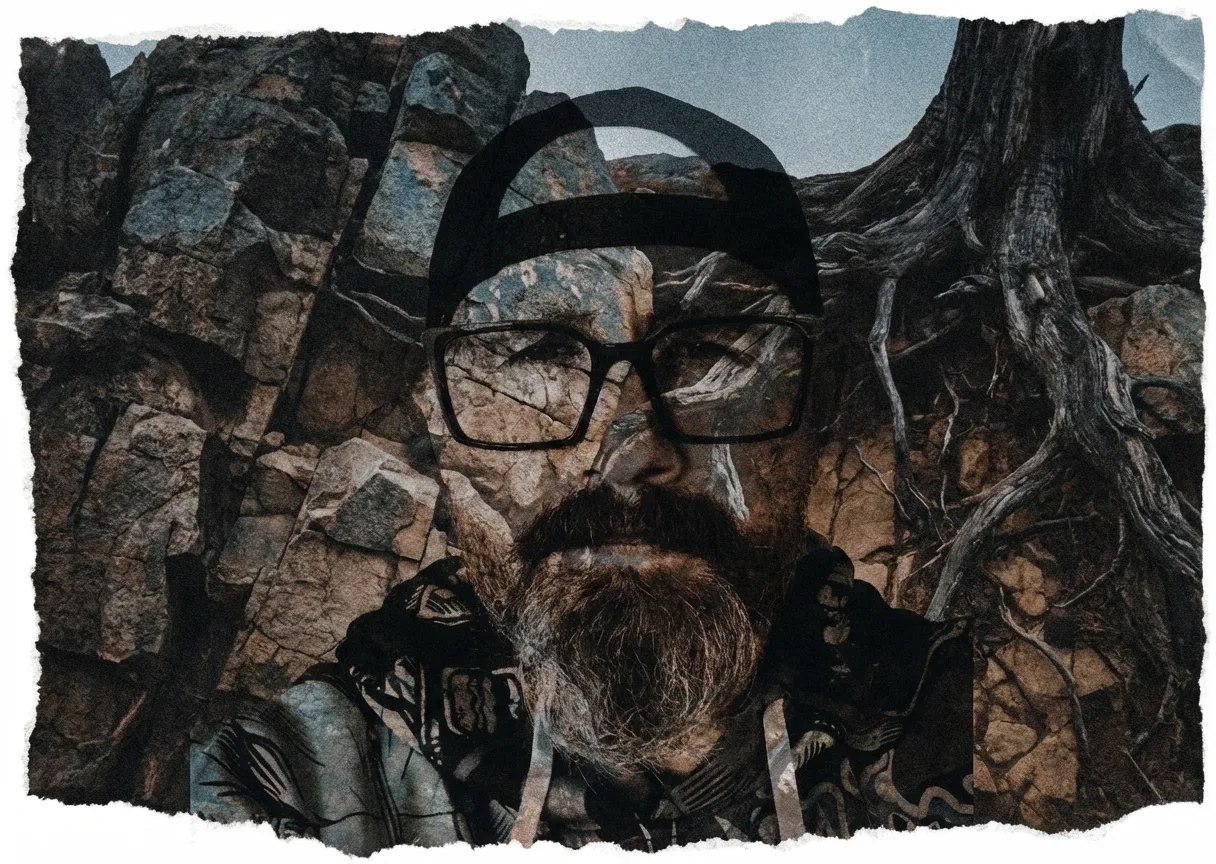
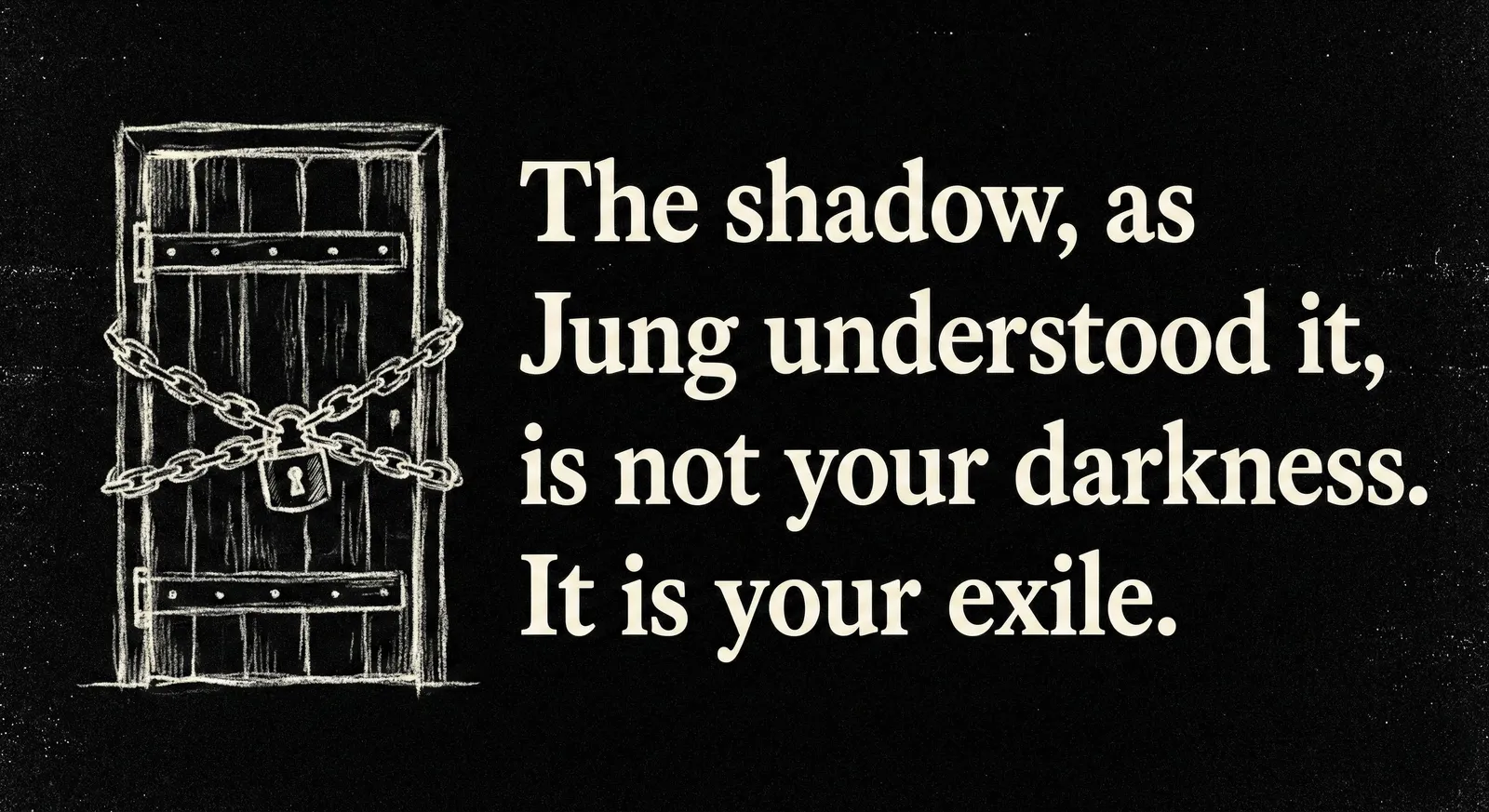
The version of shadow work that circulates online, the one with the journal prompts and the candlelit rituals and the gentle invitations to “meet your dark side,” is not what Jung was talking about. It isn’t close. What he described was closer to a confrontation with something that has been running your life without your permission, something you built your entire personality to avoid looking at, something that doesn’t want to be met over herbal tea and a feelings wheel. The shadow, as Jung understood it, is not your darkness. It is your exile. And the distance between those two ideas is the distance between comfort and an actual reckoning.
There is a reason shadow work became popular at the exact moment it stopped being dangerous. The phrase entered mainstream culture already declawed, stripped of everything that made it useful and rebuilt as a self-improvement exercise. Write down your triggers. Identify your patterns. Sit with your discomfort. All of which sounds reasonable until you realise that none of it requires you to encounter anything you haven’t already decided you’re willing to encounter. The entire machinery of pop shadow work is designed to give you the feeling of depth without ever leaving the surface. You journal about your anger and feel brave. You name your jealousy and feel evolved. You “integrate” something over a weekend workshop and go back to your life unchanged, except now you have a vocabulary for the thing you still haven’t touched.
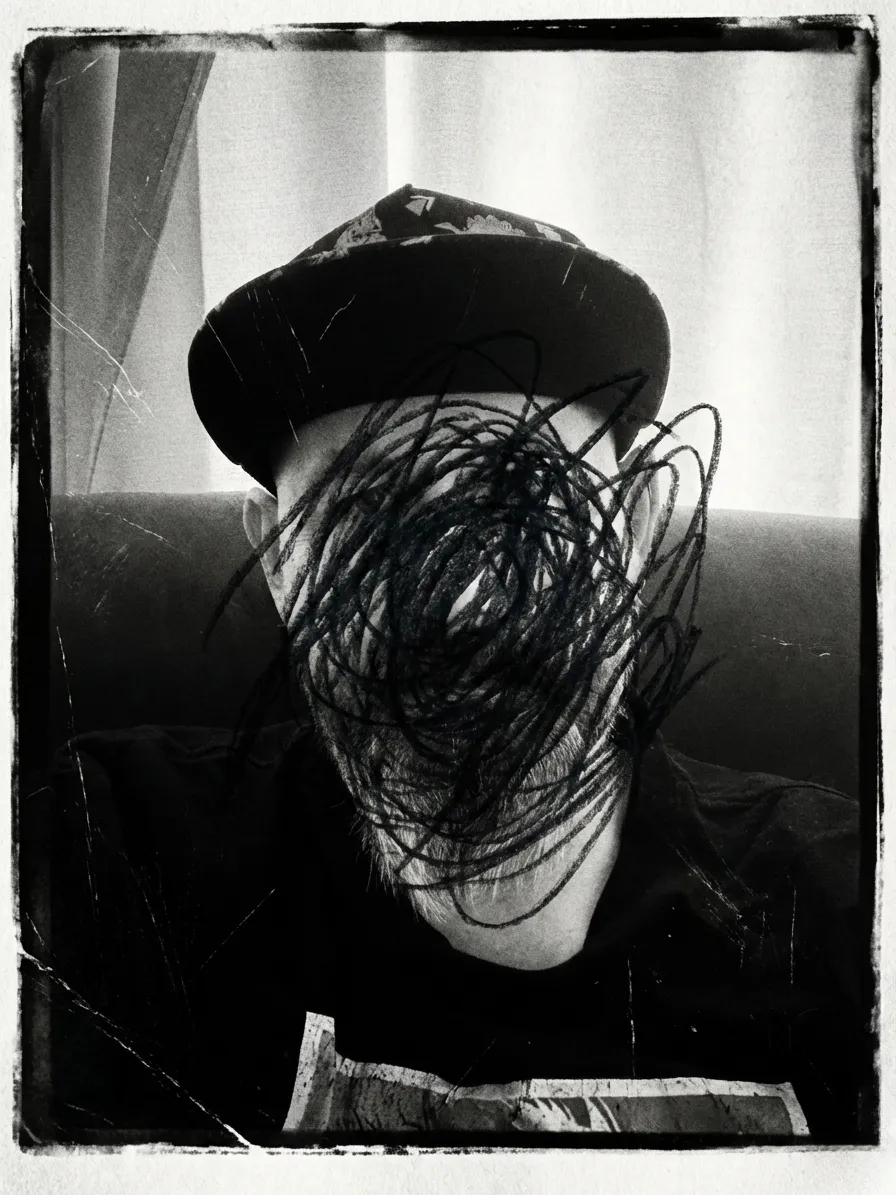
Jung’s shadow is not a list of bad feelings. It is the living negative of your identity, and that word “negative” needs to be understood in the photographic sense, the reversed image where light becomes dark and dark becomes light, where the shape of what you are is defined entirely by what you refused to be. The obedient child created a shadow made of rebellion. The intellectual created a shadow made of animal instinct. The kind person, the one who built a self around being safe and accommodating, carries a shadow seething with rage so total it would terrify them if they let it surface for even a second. This isn’t metaphor. The shadow doesn’t hide behind you. It is the shape of everything you cut away to become recognisable to yourself and to the people who needed you to be less than you were. And it doesn’t stop existing because you stopped looking. It grows in the dark. It leaks sideways into your relationships, your decisions, your inexplicable fury at people who’ve done nothing wrong except remind you of something you buried while it was still breathing.
The popular understanding treats the shadow like a room in your house that needs tidying. Jung treated it more like a second person living inside you who disagrees with everything you’ve chosen and has been disagreeing, loudly, into a void you trained yourself not to hear. The shadow doesn’t want to be journaled about. It wants to be lived. It wants the parts of you that got sacrificed on the altar of acceptability to stop being polite about their absence. And the discomfort that creates is not the kind you can sit with for ten minutes while a meditation app plays forest sounds. It is the discomfort of realising that the person you’ve worked so hard to be might be the least true thing about you. That the personality you’ve refined and defended and presented to the world is not wrong, exactly, but incomplete in a way that has been slowly poisoning everything it touches.
Here is the part nobody wants to hear. The shadow is not evil. It doesn’t contain your worst self. It contains your unlived self. The parts you exiled weren’t exiled because they were bad. They were exiled because they were inconvenient, because they didn’t fit the story, because the family needed you quiet or the culture needed you productive or the relationship needed you agreeable and something had to go. What went into the shadow wasn’t your darkness. It was your full range. The unfelt grief, the unspoken fury, the desire that has no place in your curated life, the artist who got told to be realistic, the anger that got labelled as a problem before it could become a boundary. If you think you’re confronting your dark side, you can approach it like a hero. You can conquer it. But if you’re confronting your full range, there is nothing to conquer. There is only the recognition that you’ve been living a partial life and calling it a complete one. And that recognition doesn’t feel like empowerment. It feels like the floor dropping out.
Jung wrote about the shadow as something that announces itself through what we despise in others. The colleague whose shameless ambition makes your skin crawl. The person who is messily, inconveniently emotional in ways that produce a disgust in you that doesn’t match the offence. These are not random irritations. The psyche sees its own exiled material walking around in someone else and reacts with the specific intensity reserved for recognition. Your revulsion is a homecoming you’re refusing to complete. And this, more than any journal prompt, is where the actual encounter begins: in the gap between the strength of your reaction and the size of the thing you’re reacting to. That gap is the shadow’s address. It lives in disproportionate response, in the feelings that don’t make sense on their own terms, in the hatred that, if you held it still long enough to look at, would turn out to be grief.
What the popular version calls “shadow work” is often just personality maintenance with a mystical rebrand. It takes the parts of the shadow that are socially acceptable to claim, the “I struggle with people-pleasing” and the “I have a fear of rejection,” and parades them as evidence of depth. But the real shadow material, the stuff that reorganises a life when it finally surfaces, is never the stuff you’d post about. It is the cruelty you don’t want to admit you’re capable of. The indifference you feel toward people you’re supposed to love. The pleasure, and it is pleasure, you take in someone else’s failure. The part of you that doesn’t want to get better because getting better would mean losing the identity you built around being broken. None of that makes it into the journal prompts. None of it fits the aesthetic.
And here is where this essay has to be honest about its own shadow, because there is something happening in these paragraphs that mirrors the exact problem they describe. This writing is doing the same thing the pop version does: making the shadow comprehensible, turning it into an argument, giving it edges and labels and a structure that lets you nod along without actually being disturbed. The real shadow doesn’t organise itself into paragraphs. It doesn’t wait for you to be ready. It shows up as the affair, the relapse, the three-drink cruelty at a dinner party, the moment you hear yourself say something so unlike “you” that the quotation marks around that word become visible for the first time. No essay captures that. Including this one.
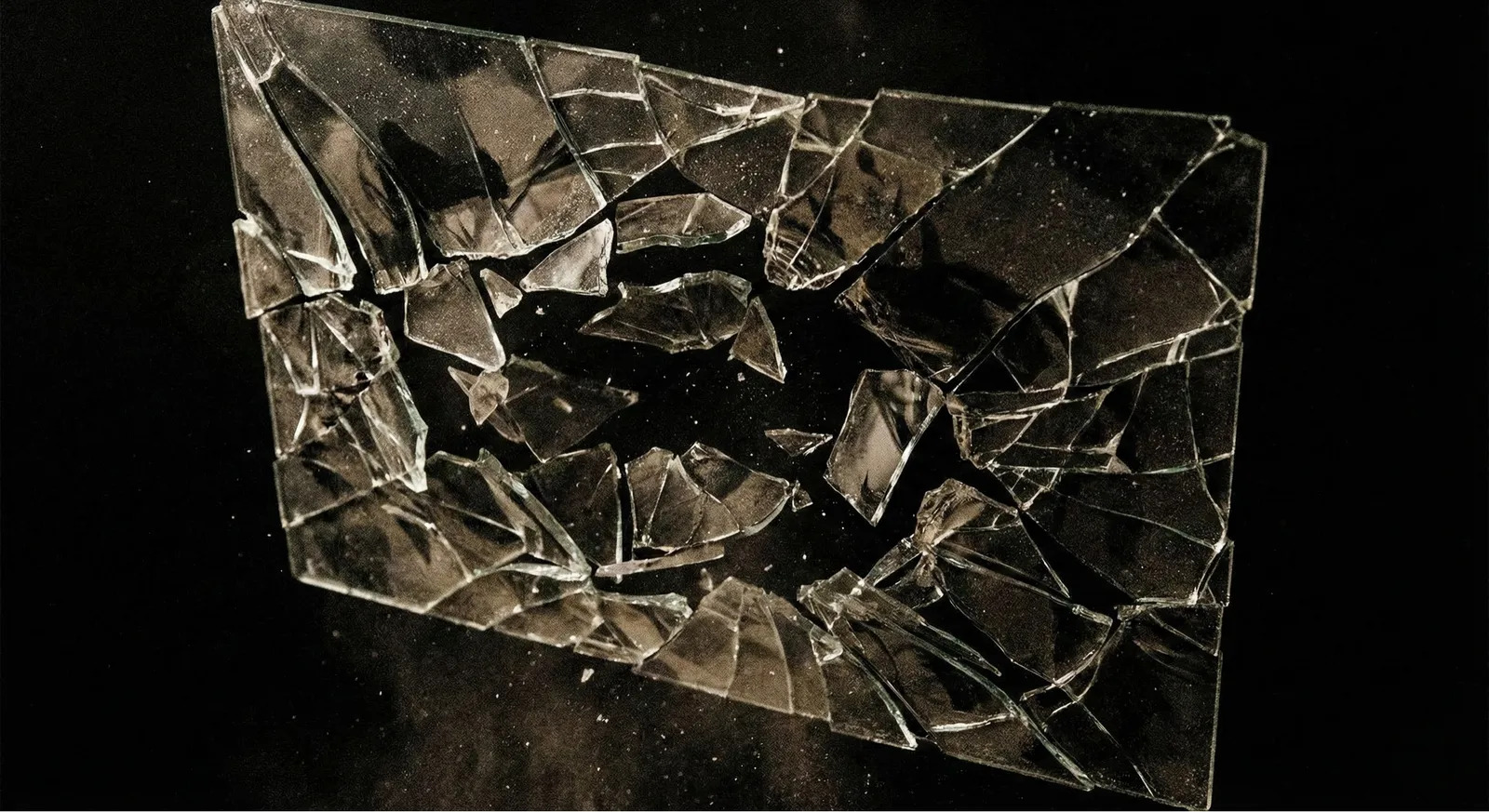
What Jung was describing is not a practice. It is what happens when the container you built to keep yourself coherent finally fails. When the sorted categories of “me” and “not me” collapse and you are left standing in the wreckage, unable to tell which parts were the structure and which parts were the self. It doesn’t confirm who you are. It calls the entire question into doubt. And the people searching for shadow work, the ones who can feel that the self-help version is thin, that there’s something underneath the underneath that the prompts won’t reach, they’re right to keep looking. But what they’re looking for isn’t a better framework. It is the willingness to stand in a room with no framework at all, with nothing between you and the full weight of everything you chose not to be, and to not look away. Not because looking will fix anything. But because the not-looking has already cost more than they know.
If this is the kind of thinking that doesn't leave when the tab closes.
Subscribe