You Don't Think With Your Brain
On the intelligence your body has been running without your permission and the cost of overriding it
On the intelligence your body has been running without your permission and the cost of overriding it
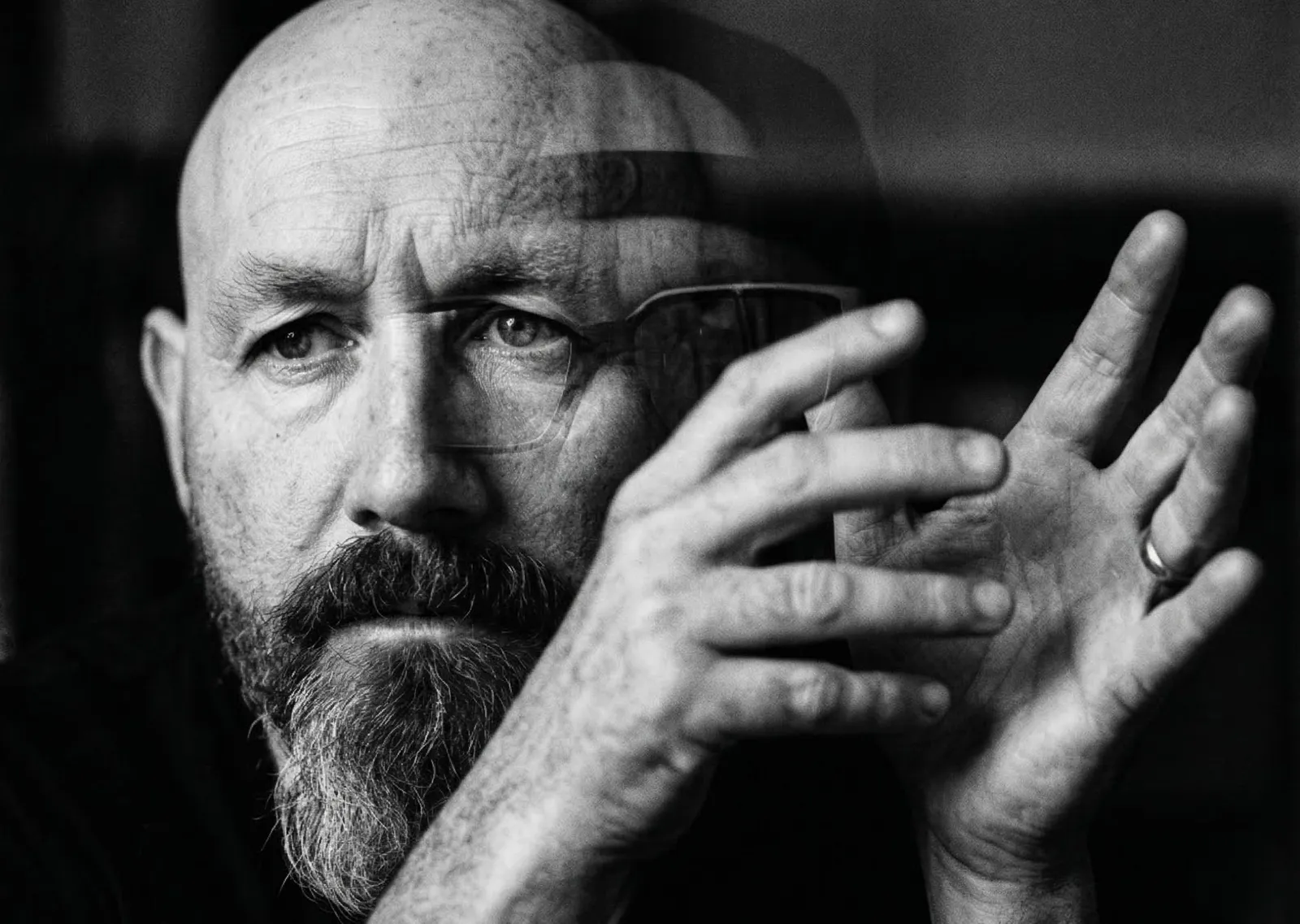
You’ve caught a ball. Not thought about catching a ball. Caught one. Your hand was there before the decision was, before any conscious instruction had time to form, before the part of you that narrates your life could say “ball, incoming, move hand.” The hand moved. The ball arrived. And the part of you that thinks it runs the show watched the whole thing happen from about half a second behind, then took credit for it. That’s not a metaphor for something. That’s what happened.
You’ve known someone was lying before you could explain why. The explanation came later, if it came at all. Sometimes it never did. You just knew. Something in the chest, the stomach, the back of the throat. Not a thought. A register. A shift in the tissue that said wrong before the word wrong was available. And if someone had asked you in that moment to justify it, to provide evidence, to explain your reasoning, you would have had nothing. No argument. No data. Just the body, doing something the mind doesn’t have clearance for.
This isn’t intuition in the mystical sense, an inner compass or a higher self whispering directions. This is architecture. The body processes information through pathways that predate language, predate conscious reasoning, predate the entire apparatus that Western culture has spent three centuries insisting is where thinking happens. The brain is part of the body. It is not the boss of the body. It is one organ among many, and the others have been gathering data and making decisions since long before the cortex showed up and started writing mission statements.
Merleau-Ponty spent his career trying to say this in a way that philosophy could hear. His problem was that philosophy had been running on Descartes for three hundred years. The mind thinks. The body carries. Consciousness lives in the head and the rest is plumbing. Merleau-Ponty looked at this and said no. Consciousness is not in the head. Consciousness is in the fingers that know how to type without looking, in the legs that adjust to uneven ground before the brain has registered the slope, in the hands of a pianist that find the chord before the musician can name it. He called it the body-subject. Not a body that has a mind, but a body that is a mind, thinking in movement and sensation and spatial awareness in ways that the verbal, narrating self will never fully access.
This matters because you live it every day and discount it every day. You feel something in a conversation, a wrongness, a resistance that sits in your shoulders and won’t explain itself, and you override it. Because the question the culture asks is: what do you think? Not what does your body know. Thinking, in this context, means the production of sentences. Arguments that can survive cross-examination. The body’s knowledge doesn’t survive cross-examination because it was never built for the courtroom. It was built for the room where someone’s posture told you everything their words were designed to hide.
There is a cost to this overriding that nobody tracks. It accumulates in the jaw, the lower back, the shoulders that creep toward the ears across the course of an afternoon. The body that has been told to shut up doesn’t shut up. It speaks in tension, in insomnia, in the kind of fatigue that sleep doesn’t fix because the fatigue isn’t muscular. It’s the exhaustion of an intelligence that keeps delivering information to a system that keeps refusing to act on it. Your gut said leave and you stayed. Your chest tightened and you smiled through it anyway. Each override deposits a small residue of unprocessed knowing in the tissue, and the residue builds, and after enough years the body starts to feel like an adversary when in fact it’s the only part of you that was working accurately the entire time.
Husserl, who came before Merleau-Ponty and gave him the tools to think with, described something he called the lifeworld. The layer of pre-reflective experience that exists before you start analysing it. Before you turn a conversation into a narrative about what happened, before you categorise a feeling into an emotion with a name, there is a raw encounter between your body and the world that is already meaningful. Already structured. Already intelligent. The lifeworld is not chaos waiting for the mind to organise it. It has its own logic. But the logic runs in a language the narrating self can’t speak, which means it gets translated, and the translation always loses something, and what it loses is the knowing that lived in the flesh before the sentence arrived to replace it.
You’ve felt this loss. You’ve had an experience that was vivid and complete in the moment, and then tried to describe it afterward, and watched the description flatten it. The words didn’t capture it. Not because your vocabulary was poor but because the experience was bodily and the words are conceptual and the two operate at different resolutions. The body works in high definition. Language works in summary. And every time you summarise an experience to make it communicable, you strip out the layer that actually mattered, the layer that your shoulders and your stomach and your hands already understood before you opened your mouth.
The culture that tells you to think with your brain is the same culture that can’t explain why you cry at music, why a stranger’s posture can make you uneasy from across a room, why you sometimes know something is wrong with someone you love before they’ve said a word. These aren’t glitches in the rational system. This is cognition. Primary, fast, and operating on more data than the conscious mind will ever have access to.
You don’t think with your brain. You think with the whole of yourself, all the time, and then a small, loud part of you translates a fraction of that thinking into words and calls the translation the thought. The rest stays in the tissue, unspoken and unvalidated, and it is still the most accurate information you have.
And still, if you’re honest, the first thing you override when it’s inconvenient.
If this is the kind of thinking that doesn't leave when the tab closes.
Subscribe